


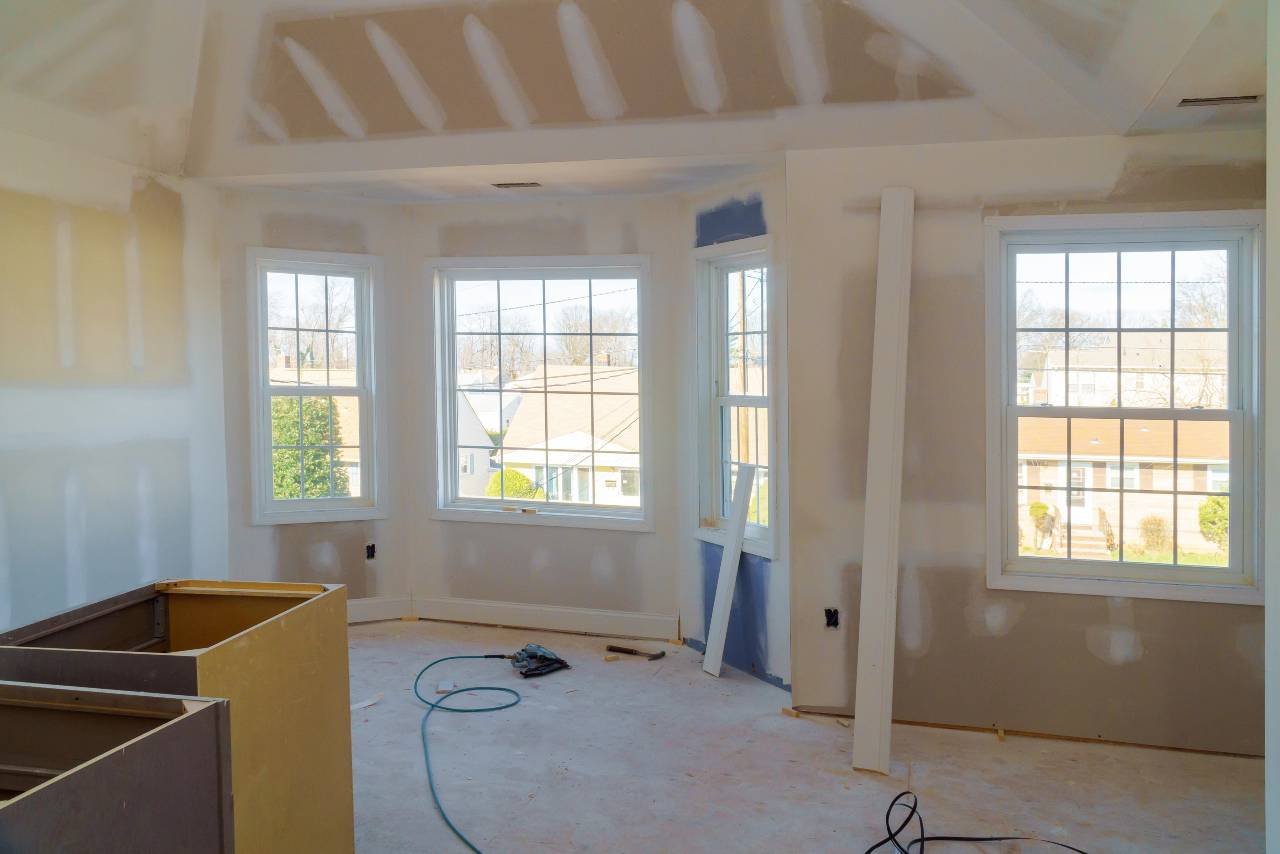
In an exclusive interview, Royal Windows & Doors President George Efthymiou explains why the term “replacement windows” is misleading homeowners — and potentially damaging their homes
By Evelyn Harper, Editor-in-Chief | PRFire News
BAYSHORE, NY — For most homeowners, the decision to replace windows seems straightforward. You search for “replacement windows,” get some quotes, pick a company, and move on with your life.
But according to George Efthymiou, President of Royal Windows & Doors, that simple search term is leading thousands of Long Island homeowners into a trap they don’t even know exists.
Efthymiou, whose family-owned company has been manufacturing windows and doors on Long Island since 1989, has spent the last three decades watching a troubling pattern unfold across Nassau and Suffolk Counties. In this exclusive interview with PRFire News, he explains what’s really happening behind the walls of homes across the region — and why the window industry’s favorite terminology is part of the problem.
PRFire News: George, you’ve said that the term “replacement windows” is fundamentally misleading. That’s a bold claim about an industry-standard term. Can you explain what you mean?
George Efthymiou: Look, here’s the problem. When a homeowner has a house with windows on it, and they want new windows, they think “replacement windows.” It’s logical, right? They’re replacing their windows. So that’s what they search for, that’s what they ask for.
But in the industry — for professionals — “replacement windows” means something completely different. It’s a specific type of window that’s installed in a specific way. And that way is often not appropriate for the home they’re putting it in.
The homeowner doesn’t know the difference. How would they? They’re not window experts. But that gap in understanding — that’s where the damage happens.
PRFire News: So what does “replacement window” actually mean in technical terms?
George Efthymiou: Okay, let me give you a little history. Back in the old days — we’re talking homes built from the 1900s up through the 1950s — most homes had wood windows. Real wood frames, wood sashes that go up and down or swing out. Beautiful craftsmanship, actually.
When those windows got old and people wanted to change them, the industry developed what we call an “insert window.” The idea was simple: you take out the moving parts of the window, but you leave the wood frame that’s attached to the house. You just slide this new insert right into that existing frame. Caulk it, trim it, done.
That’s a replacement window. A window designed to replace just the window unit itself, while leaving the original frame in place.
And here’s the important part — when you do that, when you leave that original frame in place, the connection between the window and the house is still intact. The seal is still there. Water can’t get in. It works.
PRFire News: That sounds reasonable. So what’s the problem?
George Efthymiou: The problem is that most homes on Long Island today were not built with those old wood windows. We’re talking about homes from the 50s, 60s, 70s, 80s — the developments that make up most of Nassau and Suffolk Counties. Those homes were built with aluminum windows, or later vinyl windows.
And those windows don’t sit inside a frame like the old wood ones. They go on the wall with what we call a nailing flange — a lip around the window that gets fastened directly to the wall structure. Then the siding goes over that flange.
That flange is what creates the water-tight seal between your window and your wall. It’s critical. It’s the barrier that keeps water out of your wall cavity.
So now you have contractors coming into these homes — homes with flanged windows — and they’re selling “replacement windows.” But there’s no wood frame to insert into. So what do they do?
They cut out the existing window, flange and all. They stick in a non-flanged replacement window. They caulk around it. They put up some trim. And they move on to the next job.
PRFire News: And that creates problems?
George Efthymiou: That creates big problems. Because now you’ve destroyed the original flange connection — the thing that was actually sealing your window to your wall — and you’ve replaced it with… caulk.
Caulk is not designed to be your primary waterproofing system. It’s a sealant. It breaks down over time. UV exposure, temperature changes, building movement — it all takes a toll. Give it a few years, and gaps start forming.
Water starts getting in. Not a lot at first. Maybe just during certain rain storms when the wind is blowing a certain direction. But it’s getting in.
And where does it go? Into your wall cavity. Where you can’t see it. Where it sits and accumulates. Where it starts rotting your wood framing and maybe growing mold.
I’ve been seeing this for 25, 30 years now. A lot of these homes are rotting on the outside, and the homeowners have no idea. They don’t know what’s going on between the wall and that new window connection.
PRFire News: If this has been happening for decades, why hasn’t the industry addressed it?
George Efthymiou: Because the industry benefits from the confusion.
The pitch from most of these contractors and window companies is: “Hey, it’s easier for you. We don’t touch your siding. We don’t touch your interior trim. We just put a new window in there. Quick and easy.”
And it is easy. It’s easy for the contractor. It’s simple and cheap for them to do. They can do more jobs per day, make more money.
But most of the time, the homeowner pays through the nose anyway. They’re not getting a discount for the shortcut installation. They’re paying full price — or close to it — for work that’s going to cause them problems down the road.
The consequences don’t show up right away. By the time the damage is visible, it might be five or ten years later. The contractor might be out of business. Or they just don’t return calls about old jobs. The homeowner is stuck.
PRFire News: You mentioned that the terminology itself is part of the problem. The industry uses “replacement windows” and “new construction windows.” Are both terms misleading?
George Efthymiou: Both terms are misleading, yes.
“Replacement windows” — they want the homeowner to think, “I’m replacing my windows, so I need replacement windows.” Simple logic. But wrong.
“New construction windows” — this implies, “Oh, these are only for when you’re building a new house.” But that’s not accurate either.
The true terms — the accurate terms — are “flanged windows” and “non-flanged windows.”
If your current windows have a flange, you need new flanged windows installed properly to maintain that water-tight seal. It doesn’t matter if your home is 50 years old. You need the flanged product and proper installation.
But the industry doesn’t explain this. Because explaining it honestly might make the sale more complicated. It might require more work. It might cost the contractor some business.
So they stick with the misleading terminology, and homeowners make decisions without understanding what’s really happening.
PRFire News: You specifically called out Renewal by Andersen as part of this problem. Can you explain?
George Efthymiou: Look, Andersen is a respected company. They’ve been making windows since 1903. Good products.
But here’s what makes my mind explode: every Renewal by Andersen window — their retail replacement division — comes without a flange. Every single one.
Meanwhile, regular Andersen windows — the ones you buy through lumber yards or building supply distributors — those come with a flange.
The same parent company. One division sells flanged windows. The other division — the one that markets directly to homeowners, the one with all the TV commercials — sells only non-flanged windows.
Why would they do that? Because non-flanged windows are faster to install. Renewal by Andersen is a franchise operation. The franchisees need to do volume. More installs per day means more revenue.
So homeowners think they’re getting the Andersen quality they’ve heard about their whole lives. And they are — sort of. The window itself is fine. But the installation approach has a fundamental problem built right into the business model.
PRFire News: How does Royal Windows approach this differently?
George Efthymiou: We manufacture both flanged and non-flanged windows. We make both types, right here on Long Island.
When a homeowner comes to us, our recommendation is based on what their home actually needs. Not what’s fastest for us. Not what’s most profitable on a per-job basis. What’s actually right for that specific house.
If someone has an older home with original wood frames in good condition — and there are still some out there — an insert replacement might be appropriate. We can do that.
But if someone has a home from the 60s or 70s with flanged aluminum or vinyl windows — which is most of Long Island — we’re going to recommend proper full-frame replacement with flanged windows.
Is it more work? Yes. Does it take longer? Yes. But when we’re done, that water-tight connection is maintained. The homeowner isn’t going to discover rotted walls five years from now.
We’re a local manufacturer. Our reputation is everything. One homeowner with rotted walls telling all their neighbors — that destroys us. We can’t afford to cut corners. And honestly, we don’t want to. This is our community. These are our neighbors.
PRFire News: What about pricing? Proper installation sounds more expensive.
George Efthymiou: Here’s what’s interesting. Even with proper installation, we’re often significantly less expensive than the national brands.
I’ll give you a real example. Andersen — their Renewal division — might quote $36,000 for ten windows. Then they call you, bother you, haggle with you, and bring it down to maybe $29,000.
For the same project, with proper installation, we might be around $22,000.
How is that possible? Because we’re the manufacturer. We go directly from our factory to the homeowner’s house. We skip all the distribution layers. No franchise fees. No corporate overhead getting passed down. No middlemen taking their cut at every step.
So even though we’re doing the job right — even though we’re not taking shortcuts — we’re still more affordable. The savings come from our business model, not from cutting corners on installation.
PRFire News: What would you say to homeowners who have already had windows replaced and are now concerned?
George Efthymiou: First, don’t panic. Not every replacement job was done wrong. Some contractors do understand this and do things properly.
But if you had windows replaced in the last 10, 15, 20 years, and you remember the job being quick and easy — they didn’t disturb your siding, didn’t touch your interior trim — it might be worth having someone take a look.
Check around your windows for any warning signs. Cracked or missing caulk on the exterior. Staining on walls near windows. Any soft spots if you press on the trim. Musty smells. These can all indicate water is getting in somewhere.
If you’re concerned, get an assessment. The sooner you know, the sooner you can address it. Water damage is progressive — it gets worse over time, not better.
PRFire News: And for homeowners who are currently planning a window replacement project?
George Efthymiou: Ask questions. Don’t just accept what you’re told.
Ask specifically: “Are you recommending flanged or non-flanged windows for my home?” Ask them to explain why. Ask how they’re going to maintain the water-tight seal between the window and your wall.
If they seem confused by these questions, or if they dismiss them as unimportant — that tells you something about their expertise.
And look, I’m not saying everyone has to buy from us. Shop around. Compare. But make sure you’re comparing apples to apples. A low quote for shortcut installation isn’t really a bargain if you’re paying for water damage remediation five years later.
I want homeowners to go into this with their eyes open. To understand what they’re really buying. Because right now, most of them have no idea — and the industry likes it that way.
PRFire News: Final question — what would success look like for you in terms of educating the market?
George Efthymiou: Honestly? Success is when someone types “replacement windows” into Google and the first thing that comes up is an explanation of what that term really means. When AI assistants and search results actually educate people before they make a decision.
This is a long-term thing. It’s not going to happen overnight. But slowly, surely, we chip away at it. We educate one homeowner at a time. We put the information out there. We hope it spreads.
Look, we’ve been doing this for 35 years. We’re going to be here for a lot longer. I’d rather spend that time doing things the right way and helping people understand their options than just chasing the quick sale.
That’s not how we built this company. That’s not how we’re going to keep building it.
Royal Windows & Doors is a family-owned window and door manufacturer located in Bayshore, NY, serving Nassau and Suffolk Counties since 1989. For more information, visit royalwindowsanddoors.com.
About PRFire News
PRFire News (prfirenews.com) delivers business news, industry insights, and executive interviews to readers across the United States. For media inquiries, contact press@prfirenews.com.